How to choose canned tuna? Here are 3 mistakes to avoid.
Find out which canned tuna is the healthiest: learn to read the label
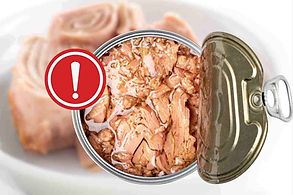
Canned tuna is the most consumed fish in Italy.
It is loved by adults and children alike, it is economical, versatile and ready to use.
Perfect for the hectic everyday life, slimming diets but also for athletes.
In this guide, we'll explore the benefits of tuna and the dangers of excessive consumption.
Finally, we'll provide 3 tips for choosing canned tuna correctly and offer some tips for avoiding harm to your health.
Benefits and Nutritional Characteristics of Tuna
Tuna is an excellent source of high-quality protein, omega 3 and micronutrients with only 132kcal per 100g of product:

Protein: contains approximately 28g of protein per 100g of product, containing all 8 essential amino acids
Good fats : Contains omega-3 fatty acids (0.6-1g/100g) , important for cardiovascular health and reducing inflammation
Vitamins and Minerals: Tuna is a good source of B vitamins, vitamin D , and minerals such as iodine , selenium , and iron , which support thyroid function and the immune system.
While canned tuna in oil has about 60 extra kcal from fats (mostly monounsaturated)
Dangers of Excessive Tuna Consumption
Despite its benefits, excessive consumption of tuna can carry some risks.

Heavy metals: Tuna, being a predatory fish, can accumulate mercury, a heavy metal harmful to health. Excessive exposure can cause neurological and developmental problems, especially in children and pregnant women.
Endocrine Disruptors: Some studies suggest that fish, including tuna, may contain chemicals that disrupt the endocrine system, affecting hormone function.
Microplastics: Marine fish can accumulate microplastics in the marine environment. Although levels are generally low, regular fish consumption could contribute to the ingestion of these particles.
3 Tips for Choosing the Best Canned Tuna
To ensure that your canned tuna is high-quality and safe, consider these three precautions:

Check the FAO : Check whether the tuna has been certified by the FAO or other sustainable fishing organizations. Certifications ensure that the tuna comes from responsibly and sustainably managed sources, but above all, ensure that the tuna comes from minimally polluted seas. The main marine areas where tuna is caught are the Pacific Ocean (FAO 71, 77, 81, 87), the Indian Ocean (FAO 51 and 57), and the Atlantic Ocean (FAO 31, 34, 41, 47). The least polluted FAO areas are 27 and 37, i.e., the Mediterranean Sea. The most polluted FAO areas are FAO 61, 67, and 71, i.e., the Pacific Ocean, the Atlantic Ocean (northeast), and the Gulf of Mexico.
Glass vs. Can: Prefer tuna packaged in glass over canned. Cans tend to
They release metals (such as aluminum and bisphenol A) that contaminate the product and pose a health risk. Furthermore, tuna scraps tend to be added to the can to reach the specified quantity, while glass containers typically contain the whole fillet.
Type of oil : If you choose tuna preserved in oil, opt for extra virgin olive oil. It offers better flavor and numerous cardiovascular and metabolic health benefits compared to sunflower oil.
Is Natural Better?

Tuna in water (preserved in water) has less fat and therefore less calories than tuna preserved in oil.
It might therefore be a better choice if you are trying to lose weight.
However, tuna in oil, if well drained, has a better taste and more nutrients, without excessively damaging the figure.
The most correct choice therefore does not fall on the presence or absence of oil in the box, but on the FAO fishing zone and the type of box (glass or tin).
How much tuna can we eat per week?
Canned tuna can be consumed regularly, but it is important not to overdo it due to the risks associated with heavy metals.

A common guideline is to limit consumption to 1-2 servings per week, especially for pregnant women and children.
Alternating tuna with sea bass (or sea bream), salmon (or mackerel), cod (or sole) can be a winning choice for your health and that of your child.
Do you have any brands you'd recommend?
Leave them in the comments to help the community make the right choice!
🛒 Do you want to discover all the secrets to healthy shopping at the supermarket ? 🛒 I've included them in my ebook " Efficient Shopping "
⬇️ Click here to learn more ⬇️


Comments